By Alexandra Mayhew

Trust has become the organising principle for effective global communication, not just another word on a values slide. In my experience, the brands that are strengthening their position in 2026 are the ones that treat trust as a daily practice in how they communicate across markets, not as a one-off campaign theme.
Across markets, communicators see the same pattern. Polarisation, misinformation and economic anxiety are putting pressure on trust in institutions, media and brands. Audiences still want information and leadership, but they are far more likely to ask a simple question before they engage: “Do I trust this organisation to tell me the truth and act responsibly?”
In our State of Global Communications and Marketing Report at IPREX, almost 500 communicators from 28 countries described a similar reality. Across regions, budget and too few people to do the work emerged as the top challenges, even as many remain optimistic about communicating across borders. In my reading of the findings, reputation, message consistency and credible engagement are now the real levers of influence. For global communicators, that means trust is not a “nice to have” concept. It is the context that shapes every launch, message and market entry.
The trust gap: more than a backdrop
When we talk about a “trust gap”, it can sound abstract. In practice, it shows up in very concrete ways.
Audiences move faster from curiosity to scepticism, especially when messages feel overly polished or disconnected from local realities.
Employees expect their organisation’s external promises to match internal experience, and they will say so publicly when that gap grows too wide.
In many markets, people are more inclined to trust familiar brands than formal institutions, which can create both opportunity and responsibility for communicators.
What I have found, working with global agencies and brands, is that trust is less about a single campaign and more about how consistently an organisation behaves over time. It lives in the pattern: how you show up when things go wrong, how you explain trade-offs, how you involve local voices.
When I teach Global Strategic Corporate Communication at the University of Colorado Boulder, I start by asking students to work with a global trust study and apply it to a real organisation. We use that as a way to talk about how cultural context, power and history influence who people choose to trust, and who they tune out. In my experience, the brands that earn lasting trust treat this context as a core part of their communication work, not an afterthought.

What trusted brands are doing differently
The most trusted brands in 2026 are not always the biggest or the loudest. In my experience, they tend to have a few communication behaviours in common.
1. They invest in earned, not just paid
Trusted brands see earned media, stakeholder relationships and communities as core infrastructure for influence. They do not rely only on paid channels to push messages into the world and hope they land.
That often looks like:
Building regular, two-way relationships with journalists and editors, not just appearing when a launch is ready.
Contributing useful thinking to industry conversations through thought leadership, instead of repeating the same talking points.
Listening carefully to what stakeholders are saying in public and private spaces, then adjusting their own plans before issues escalate.
Paid media still matters. It tends to work best when it amplifies stories that have already earned credibility in more organic channels.
2. They give spokespeople real authority
In a low-trust landscape, people look for human signals: expertise, honesty and a willingness to take responsibility. Trusted brands do not treat their spokespeople as interchangeable channels. They equip them to speak with substance.
In practice, that usually means:
Sharing context, constraints and data with spokespeople, not just polished key messages.
Allowing them to acknowledge uncertainty or complexity when it genuinely exists.
Keeping senior leaders visible in both positive and difficult moments, including across regions.
In an earlier IPREX article, I argued the real challenges of global communication go far beyond language. This trust conversation is the next layer of that. When leaders and local experts are allowed to speak as real people, in their own context, trust has a chance to grow. When everything sounds identical, regardless of market or moment, audiences notice.
3. They balance consistency with local reality
Global brands cannot simply export one overarching narrative and expect it to resonate everywhere. The most trusted organisations are consistent in purpose and intent, but flexible enough to reflect local expectations and norms.
Our State of Global Communications and Marketing Report shows that many organisations are moving strategy work closer to the local level, particularly in EMEA, while still retaining global guardrails. In APAC, respondents are more likely to conduct local research and launch programmes to familiarise communities with the brand when entering a new market.
I see this as a practical answer to a common challenge. If messages and assets are not shared across regions, and there is no clear framework, every market starts from scratch. If everything is controlled centrally, the brand risks feeling tone-deaf or even disrespectful. Trusted brands treat local communicators as partners in shaping how a global story comes to life.
4. They close the gap between words and action
Most organisations now talk about purpose, values and commitments. The brands that build trust are the ones that can point to concrete follow-through and invite others to examine it.
This might include:
Publishing clear updates on progress against social, environmental or DEIB goals, with real numbers and context.
Being open about trade-offs and constraints, rather than pretending every decision is simple.
Responding quickly and thoughtfully when they fall short, including at the local level.
From what I see across the IPREX network, audiences are becoming less interested in perfect narratives and more interested in patterns of behaviour. Trust builds when organisations show they are willing to listen, adjust and stay present even when things are uncomfortable.
Regional perspectives: what trust looks like on the ground
Trusted communication does not look identical in every region. One of the benefits of a global network is that we can see how similar principles play out differently on the ground.
In this section, we will include short perspectives from IPREX agency leaders in four regions. These regional lenses show both the shared foundations of trust and the local nuance that global communicators need to respect.
West Africa
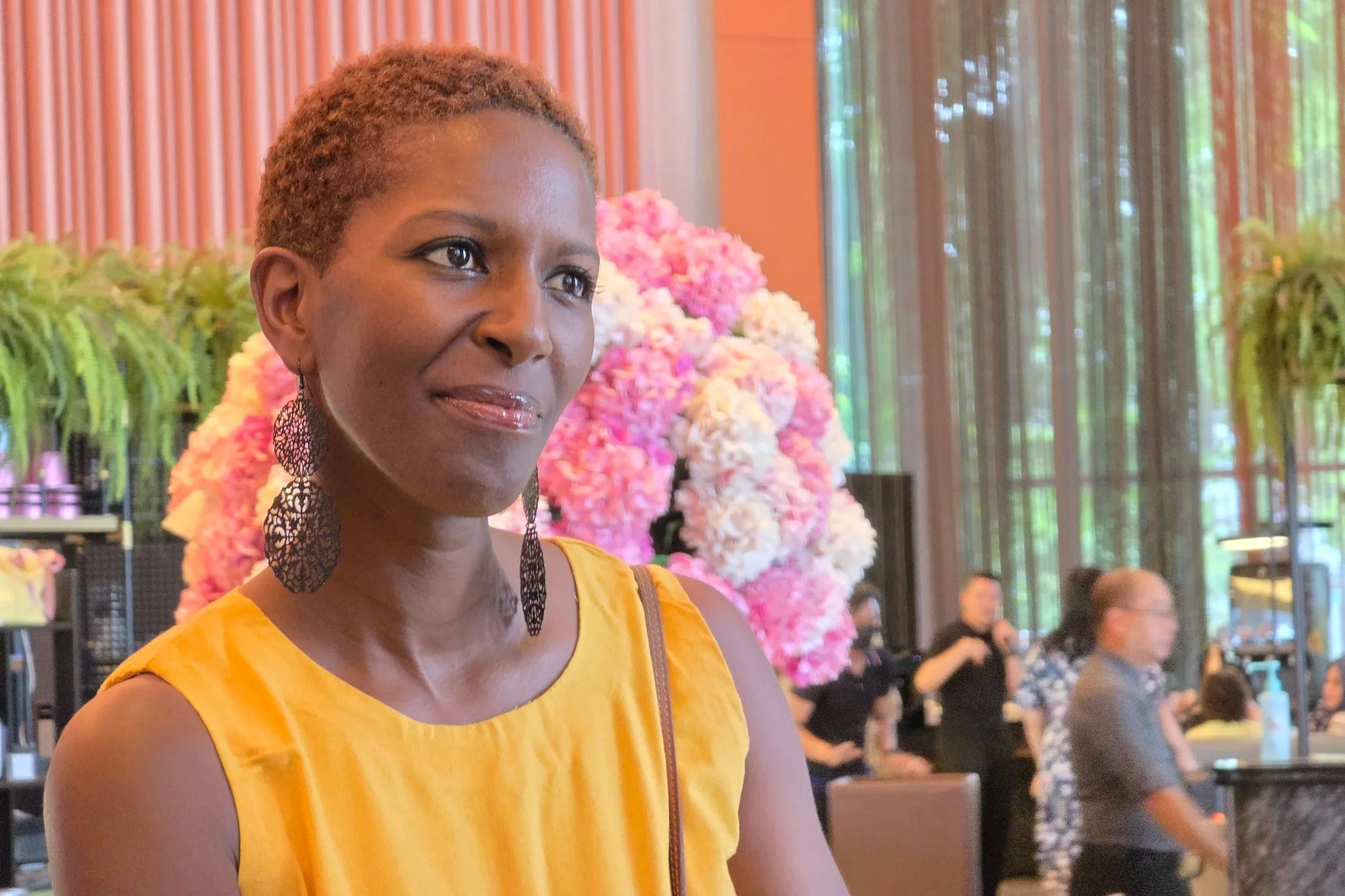
The brands that build trust quickly in Africa are the ones that listen before they launch. That means understanding the local cultural context, respecting existing community voices, studying the media landscape and being transparent about intentions from day one. Trust here isn't given because a brand is global, it's earned because a brand listens intently.
Eloïne Barry, Founder & CEO, African Media Agency
India
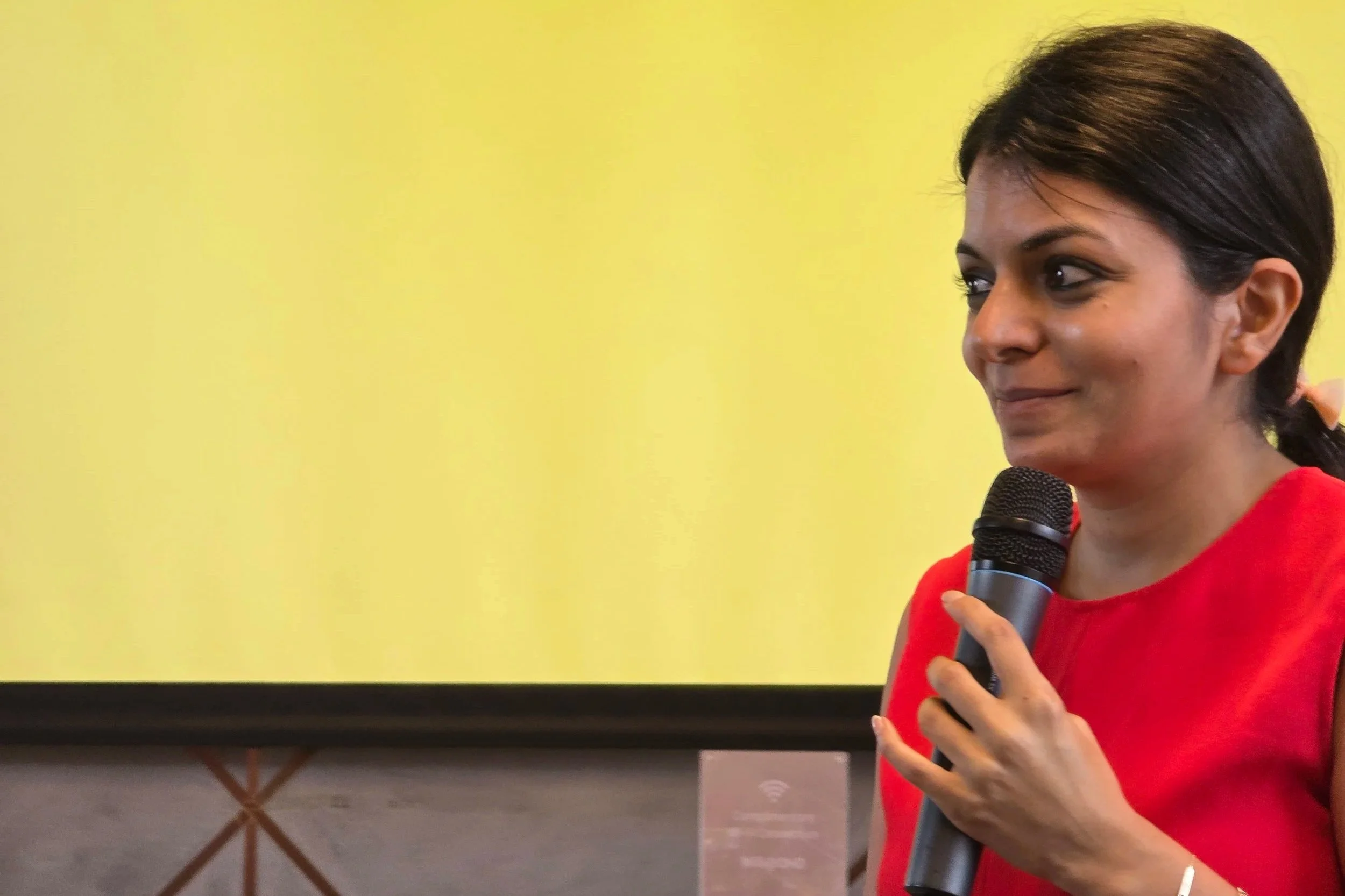
India rewards brands that think nationally but communicate locally. With one of the world's largest and most diverse digital populations, trust is earned by respecting regional cultures, languages and communities while remaining consistent in purpose and values. The global brands that succeed here treat localisation as a business strategy rather than a translation exercise, creating experiences that feel relevant wherever consumers engage with them.
Naina Aggarwal Ahuja, Founder, Talking Point Communications

United States - Colorado
Every community is different. The organizations that succeed don't rely on one message for everyone; instead, they listen, adapt, and communicate through the people that communities already trust. That approach has proven to be much more effective than trying to win with the loudest voice.
Alvina Vasquez, Principal, SE2

Greece
Brand Credibility in a Polarized, Post-Truth World: Today, trust has to be earned and continuously verified because consumer-citizens are skeptical and conscious, and they have to check everything themselves because deepfakes blur the line between real and fabricated, resulting in no longer taking claims at face value. Today, more than ever, a brand has to prove and reprove what they say every day.
In this environment, transparency is the only survival strategy for a brand. Brands that thrive today must:
Invite scrutiny and not avoid it
Admit mistakes and strategically apologize to their audiences
Show their work, source their data, and disclose AI use
Be honest even when they face uncomfortable situations. Even if they cannot tell the whole truth, let them tell part of it, and never lie.
Consistency between what a brand says and what it can do. Consumer-citizens are examining and monitoring actions, not just words, and they talk to each other in large communities on social media.
Employee advocacy and community engagement matter more than brand and corporate declarations
Truthful disclosure, not just legal compliance
Corporate culture
When honesty is embedded at the corporate structural level, it is very difficult to fake, which is desirable. Deepfakes and false content can imitate and alter the truth, but they cannot do so if there is verifiable, consistent behavior across all aspects of corporate culture, governance, and the product itself.
Mania Xenou, Founder and CEO, Reliant Communications

What global communicators can do next
For many teams, the challenge is not understanding that trust matters. It is knowing where to start, especially when capacity and budgets are tight. Based on our IPREX research and what I see in my work with agencies and students, a few practical steps can make a real difference.
Audit where trust currently lives in your communication. Look at your recent campaigns, executive communication and market launches. Where are you showing real transparency, local insight or follow-through? Where are you relying on generic language or abstract claims?
Strengthen your earned and stakeholder foundation. Identify the relationships and communities that matter most in your priority markets, and invest in them consistently, not only around big announcements.
Clarify your global guardrails and local freedom. Make it easier for regional teams and partners to adapt messages responsibly by defining what must stay consistent and what can flex.
Equip your spokespeople for real conversations. Give them the information and support they need to speak with confidence and nuance, including guidance on when it is appropriate to say “we do not know yet.”
Share and learn across markets. Many of the communicators in our State of Global Communications and Marketing Report said that assets are still not being shared effectively across regions. Creating simple ways to share what works, and what does not, is one of the fastest routes to more trusted communication.
These are all themes I see emerging in my teaching at CU Boulder and in conversations across the IPREX network. In both settings, communicators are asking similar questions: how do we stay honest about complexity, respect local realities and still build coherent global brands?
My view is that trust will remain the defining test for global communication in the years ahead. The brands that take it seriously, and embed it in how they operate across markets, will not only communicate more effectively. They will build relationships that can withstand the next wave of uncertainty.
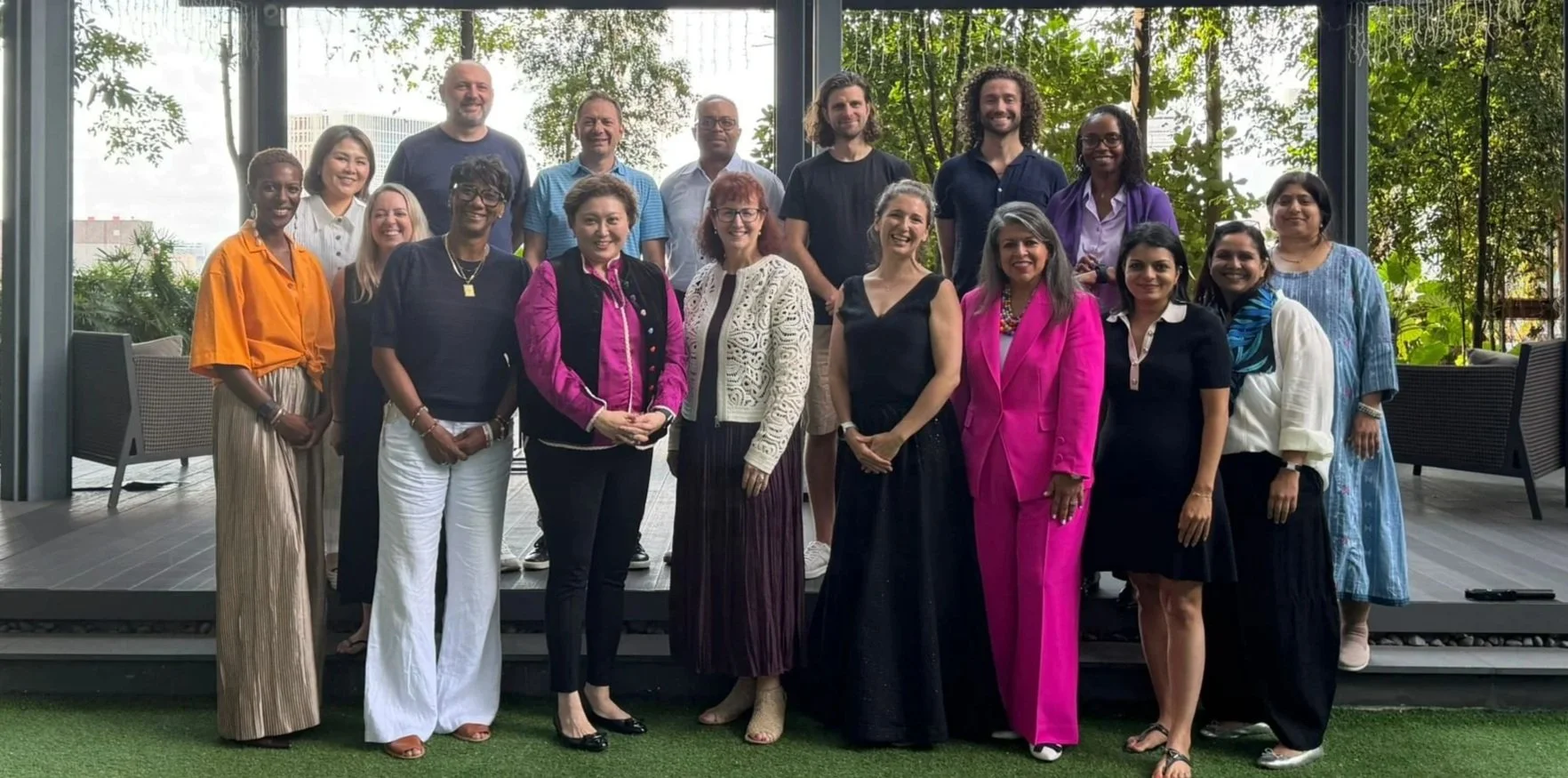
A global network focused on trusted communication
At IPREX, we see how trust shapes what is possible for global brands and agencies. Partners join the network because they want collaborative relationships, local insight in more than 100 markets and a community that makes their own work stronger. Our State of Global Communications and Marketing report is one way we share what we are learning from communicators on the ground. If you are building a brand or an agency that needs to communicate across borders without losing its local credibility, IPREX offers a model built on independent expertise and shared values. The momentum our partners have created in recent years gives me confidence that, even as the trust landscape continues to shift, this network is ready for what comes next.